Why Digital Validation Tools Should Be Validated
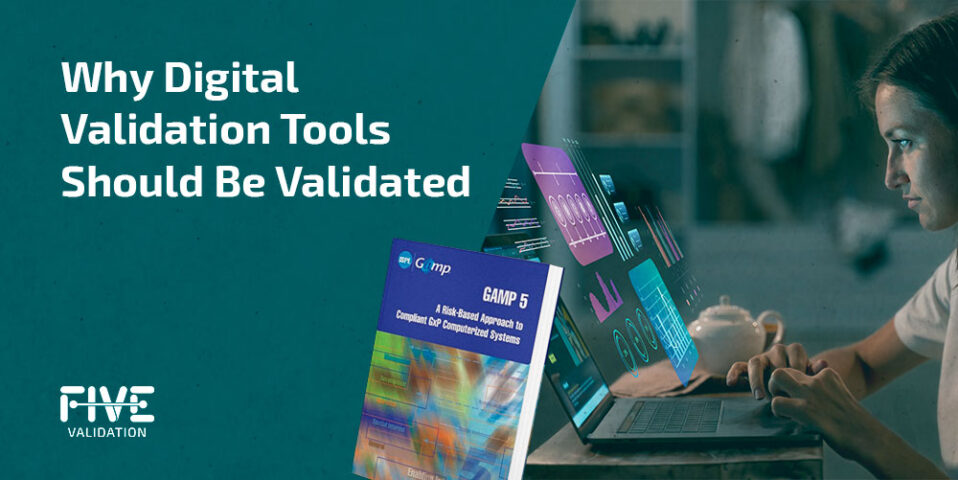
In the pharmaceutical, biotechnology, and medical device industries, ensuring that computerized systems work correctly is crucial. This is where GAMP5® Second Edition comes in.
GAMP (Good Automated Manufacturing Practice) is a set of guidelines that help companies validate their systems to meet regulatory requirements.
What is GAMP5® Second Edition
GAMP5® was first introduced in 2008 to help companies understand how to validate software and computerized systems used in regulated industries. The Second Edition, released in 2022, updates these guidelines to address modern technologies, including cloud computing, automation, and artificial intelligence (AI).
It also reinforces the importance of a risk-based approach to validation, meaning that companies should focus on areas that could impact patient safety, product quality, or data integrity.

Why Do Digital Validation Tools Need to Be Validated?
Companies frequently use digital validation tools to automate the validation of their systems, equipment, utilities, IT/OT infrastructure, processes, and cleaning. These tools help manage documents, testing, and compliance requirements.
However, if these tools handle or influence regulatory data, they should also undergo validation.
Reasons for Validating Digital Validation Tools:
- Regulatory Compliance: Authorities like the FDA (21 CFR Part 11) and EU GMP Annex 11 require companies to prove that computerized systems work as intended.
- Data Integrity: If a validation tool produces errors, the results may be unreliable, leading to compliance risks.
- Risk-Based Approach: GAMP5® Second Edition emphasizes that all systems should be validated based on their impact on safety and compliance.

GAMP5® Second Edition clarifies that some Agile tools used in software development, such as backlog management or code repositories, do not need full validation if they do not impact regulatory data. However, if a tool is used for validation, like a digital validation tool, it should be validated.
Even if Agile tools do not require full validation, risk assessments, expert reviews, and proper controls are necessary to ensure validation records are reliable, complete, and accessible.
The same logic applies to validating an EQMS (Enterprise Quality Management System). While EQMS has an indirect impact on the product, companies and regulatory agencies often recognize it as a critical GxP system.
Similarly, a digital validation system should also be validated because a system responsible for validating other systems needs to be reliable and compliant.
How Does GAMP 5 Second Edition Address Digital Tools?
The updated version of GAMP5® highlights:
- Cloud-Based Solutions: Many validation tools now run in the cloud. Companies should assess risks such as data security and system reliability.
- Automation and AI: AI-driven validation tools should be tested to ensure they do not introduce biases or errors.
- Open-Source Software: If companies use open-source tools for validation, they need a plan to verify software updates and security patches.
- Cyber Considerations: The new guidelines encourage companies to integrate cybersecurity measures into validation strategies.
What Should Companies Do?
To ensure compliance with GAMP5® Second Edition, companies should:
- Identify validation tools in use and determine their regulatory impact.
- Apply a risk-based approach to decide the level of validation needed.
- Perform regular testing and updates to ensure continued compliance.
- Document validation efforts to provide evidence during audits.
Ensure Compliance and Confidence in Your Validation Process
GAMP5® Second Edition makes it clear that digital validation tools, like any other regulated software, should be validated. Companies should treat these tools with the same level of scrutiny as any system that affects regulatory compliance.
By following a risk-based approach, businesses can ensure that their validation processes remain accurate, compliant, and reliable.
At FIVE Validation, we specialize in helping pharmaceutical, biotech, and medical device companies stay compliant with the latest industry standards. Don’t let unvalidated tools put your data integrity and regulatory compliance at risk.
GO!FIVE® is a cloud-based Digital Validation system that accelerates compliance up to 7x faster using agile methodologies. With 70+ ready-to-use templates, it simplifies validation for GxP systems, IT and OT infrastructure, equipment, and processes, transforming compliance into a competitive advantage.
GO!FIVE® is a ready-to-use system with no implementation fees and or extra efforts, providing a complete validation packaging, even covering changes in the standard model!
Learn more about how GO!FIVE® simplifies validation while keeping your processes compliant. Schedule a meeting with us now to discuss how we can support your validation journey!
GAMP5® is a guide for which its intellectual rights are reserved by ISPE®. Available for purchase at https://ispe.org/.